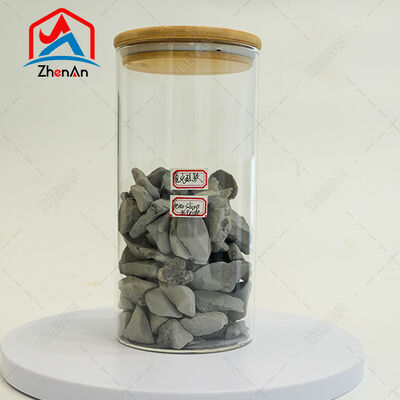
Nitrure de ferrosilicium FeSiN. N30 Haute teneur en azote pour l'argile de tapholes de haut fourneau et les liaisons réfractaires
Qu'est-ce que le nitrure de ferrosilicium (FeSiN) et pourquoi est-il utilisé dans la fabrication de réfractaires en fer?
Le nitrure de ferrosilicium (FeSiN) est un additif réfractaire fonctionnel produit par nitridation du ferrosilicium dans des conditions contrôlées,formant un composé stable contenant de l'azote utilisé dans les systèmes métallurgiques à haute températureLe grade N30 se réfère à une teneur en azote d'environ 30%, ce qui détermine directement son activité de liaison, sa stabilité de phase et ses performances dans les matrices réfractaires.
Dans les hauts fourneaux, le FeSiN est largement utilisé dansSystèmes d'argile taphole et préparations de liaison réfractairespour améliorer l'intégrité structurelle, la résistance thermique et la résistance à l'érosion pendant les cycles de tapage.
ZhenAn fournit du nitrure de ferrosilicium N30 conçu pour une libération d'azote stable et une liaison réfractaire à haute performance dans les systèmes de ferraille.
Pourquoi le FeSiN à haute teneur en azote est-il essentiel dans l'argile de topol de haut fourneau
L'argile du trou d'égout du haut fourneau fonctionne sous un choc thermique extrême, une érosion du fer fondu et des cycles d'ouverture/fermeture répétés.Les performances de l'argile dépendent en grande partie de son système de liaison et de son comportement de réaction in situ..
Le FeSiN riche en azote contribue à:
- Formation de phases de liaison nitridées à haute température
- Amélioration de la résistance du réseau céramique lors du frittage
- Amélioration de la résistance à la pénétration du fer fondu
- Structure réfractaire de stabilisation sous cycle thermique
Le FeSiN de qualité N30 fournit un niveau d'azote équilibré qui assure à la fois la réactivité et la stabilité structurelle dans les systèmes d'argile de puits.
Que signifie la teneur en azote N30 dans le nitrure de ferrosilicium?
N30 indique que le matériau contient environ30% d'azote lié chimiquement.
Cet azote n'est pas un gaz libre, mais est incorporé dans des composés silicium-fer-azote qui réagissent lors d'un service à haute température.
Une teneur en azote plus élevée signifie:
- Potentiel de nitridation accru lors du chauffage
- Une plus grande formation des phases de liaison
- Amélioration de la densification réfractaire
- Résistance accrue à l'érosion des scories et des métaux
Cependant, l'azote doit rester stable pour assurer une performance contrôlée pendant le fonctionnement du four.
Comment la teneur en azote affecte la résistance de liaison de l'argile taphole
L'azote joue un rôle structurel dans la chimie réfractaire en participant à la formation de la phase à haute température.
Dans les systèmes d'argile à puits, le FeSiN contribue à:
- Formation de réseaux de liaison à base de Si3N4
- Amélioration de l'embrayage des particules lors du frittage
- Réduction de la porosité ouverte dans la structure réfractaire
- Résistance mécanique accrue après durcissement et chauffage
Une teneur en azote plus élevée améliore généralement la résistance à la liaison, mais doit être contrôlée pour éviter une expansion excessive ou un déséquilibre de réaction.
Pourquoi le FeSiN à haute teneur en azote est-il utilisé dans l'argile de tapholes de haut fourneau
Le FeSiN riche en azote est préférable car il fournit:
- Nitridation contrôlée pendant le fonctionnement du four
- Transformation de phase réfractaire stable
- Amélioration de la résistance à l'érosion des ruisseaux de fer
- Durée de vie plus longue du trou d'égout
- Réduction de la consommation d'argile par cycle d'exploitation
Il est particulièrement utile dans les aciéries à haute intensité où la fréquence de frappe et la contrainte thermique sont élevées.
Le niveau d'azote peut-il influencer les performances de durcissement réfractaire?
Le niveau d'azote affecte directement le comportement de durcissement et de frittage.
- Une faible teneur en azote peut entraîner une faible liaison et une mauvaise intégrité structurelle
- L'azote trop élevé peut provoquer une expansion inégale ou un micro-craquage
- La qualité N30 optimisée assure un comportement de durcissement équilibré
Cet équilibre est essentiel dans les systèmes d'argile sans eau où la liaison chimique domine les mécanismes d'hydratation.
Comment le FeSiN améliore la liaison dans les systèmes d'argile taphol sans eau
Dans les hauts fourneaux modernes, de nombreux systèmes d'argile sont des formulations sans eau ou peu humides.
Le FeSiN améliore la liaison par:
- Réaction lors d'une exposition à haute température aux nitrides de forme
- Matrices en céramique à base de silicate de renforcement
- Amélioration de la stabilité thermique sans dépendre de l'hydratation
- Amélioration de la plasticité lors de l'installation et de la solidification après chauffage
Cela fait du FeSiN un additif fonctionnel clé dans l'ingénierie réfractaire avancée.
Quel est le rôle du FeSiN dans la formation de matrices réfractaires?
Le FeSiN agit à la fois comme additif réactif et structurel dans les systèmes réfractaires.
Pendant le service:
- Le silicium et l'azote réagissent pour former des phases Si3N4
- Le fer contribue à la diffusion et à l'uniformité de la liaison
- Un réseau de céramique dense se forme à haute température
Cette matrice améliore de façon significative:
- Résistance à l'érosion
- Stabilité au choc thermique
- Rétention de résistance mécanique
Pourquoi la stabilité de l'azote est importante dans les réfractaires de fer
La stabilité de l'azote assure des performances prévisibles dans des conditions de four.
Une libération d'azote instable peut provoquer:
- Formation de liaison incohérente
- Performance variable de l'argile selon les lots
- Durée de vie réduite du trou d'étanchéité
- Augmentation de la fréquence de maintenance
Le FeSiN N30 stable assure un comportement réfractaire uniforme dans toutes les applications industrielles.
Comment le FeSiN améliore la plasticité et la performance de l'argile
Avant l'exposition au four, le FeSiN contribue également aux performances de l'installation:
- Améliore la traçabilité des mélanges d'argile à puits
- Améliore la dispersion des particules dans les liants
- Assure la formation et le remplissage uniformes des conduits des trous d'égout
- Réduit les fissurations au cours des phases de préchauffage
Cela améliore à la fois la manutention opérationnelle et la performance réfractaire finale.
Spécifications techniques du nitrure de ferrosilicium (N30)
| Nom de l'article |
Spécification |
| Nom du produit |
Nitrure de ferrosilicium |
| Système chimique |
- Je ne sais pas. |
| Contenu en azote |
~ 30% (de qualité N30) |
| Si Contenu |
Solde (généralement 45 à 55%) |
| Contenu en fé |
Le solde |
| Taille des particules |
3 mm / personnalisé |
| Apparence |
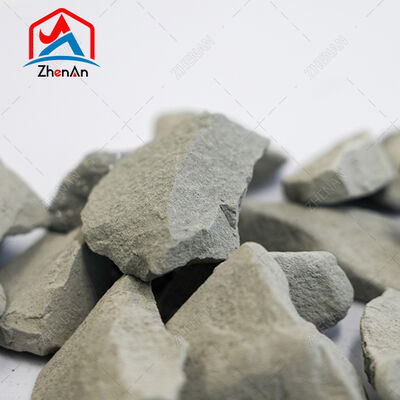
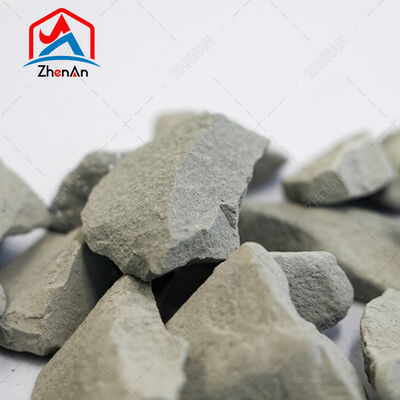
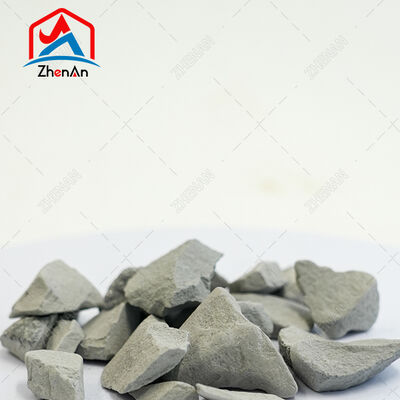
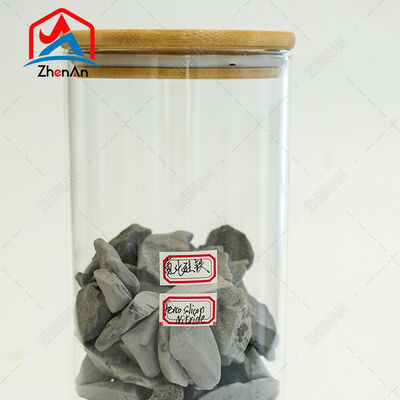
Solides granulaires de gris à foncé |
| Application du projet |
Argile tapholée / liaison réfractaire |
FeSiN N30 par rapport aux niveaux inférieurs d'azote
| Paramètre |
FeSiN N30 |
FeSiN à faible teneur en azote |
| La force du lien |
Très haut |
Moyenne |
| Efficacité de nitridation |
Il est fort. |
Commercialisé |
| Impact sur la durée de vie du taphole |
Amélioré |
Modérée |
| Stabilité thermique |
Très haut |
En bas |
| Densité réfractaire |
Structure dense |
Moins compact |
| Adaptation industrielle |
BF à haute intensité |
Applications générales |
Livraison des produits, emballage et logistique
ZhenAn fournit du nitrure de ferrosilicium sous forme de granules contrôlés conçus pour les systèmes de mélange réfractaires.
Les options d'emballage standard comprennent:
- Sacs résistants à l'humidité de 25 kg
- 1 MT de sacs géants en vrac
- Emballages à l'exportation renforcés sur palettes
Toutes les expéditions comprennent:
- COA (rapport d'analyse chimique)
- Rapport sur la répartition des particules
- Certification de la teneur en azote
- Documentation relative à la cohérence de la qualité
La logistique d'exportation est conçue pour les chaînes d'approvisionnement des aciéries ayant des besoins stables de livraison de lots.
Questions fréquentes
Que signifie la teneur en azote N30 dans le nitrure de ferrosilicium?
Il indique environ 30% d'azote lié chimiquement dans le matériau.
Comment la teneur en azote affecte-t-elle la force de liaison de l'argile de la fente?
Un taux d'azote plus élevé améliore la formation de phases de liaison céramique nitrée.
Pourquoi le FeSiN à haute teneur en azote est-il utilisé dans l'argile de trou d'égout des hauts fourneaux?
Parce qu'il améliore la résistance thermique et la durabilité de la structure.
Le niveau d'azote peut-il influencer les performances de durcissement réfractaire?
Oui, ça affecte la formation de liaisons et la stabilité structurelle.
Comment le FeSiN améliore-t-il la liaison dans les systèmes d'argile sans eau?
En formant des phases de nitrure à haute température pendant le fonctionnement du four.
Quel est le rôle du FeSiN dans la formation de matrices réfractaires?
Il contribue à des réseaux céramiques denses à base de Si3N4.
Pourquoi la stabilité de l'azote est-elle importante dans les matériaux réfractaires pour la fabrication du fer?
Il assure une performance constante et empêche la variabilité structurelle.
Comment le FeSiN améliore-t-il la plasticité de l'argile et ses performances de travail?
Il améliore l'uniformité du mélange et le comportement de l'installation.
Pourquoi les aciéries choisissent le ZhenAn FeSiN
ZhenAn fournit du nitrure de ferrosilicium (N30) de haute stabilité conçu pour des performances d'azote cohérentes, une liaison réfractaire fiable et un fonctionnement optimisé du trou d'étanchéité du haut four.Notre processus de production contrôlé garantit la stabilité des lots et des performances de qualité industrielle pour les environnements de ferraille exigeants.


 Votre message doit contenir entre 20 et 3 000 caractères!
 French